University of Pisa, UniTUS and CNR-Nano, together with Kode to turn upside down Wine and Oil quality control systems
A portable laboratory has been created to enable real-time quality control right from the vineyard and olive grove, transforming a research project into a concrete benefit for operators.
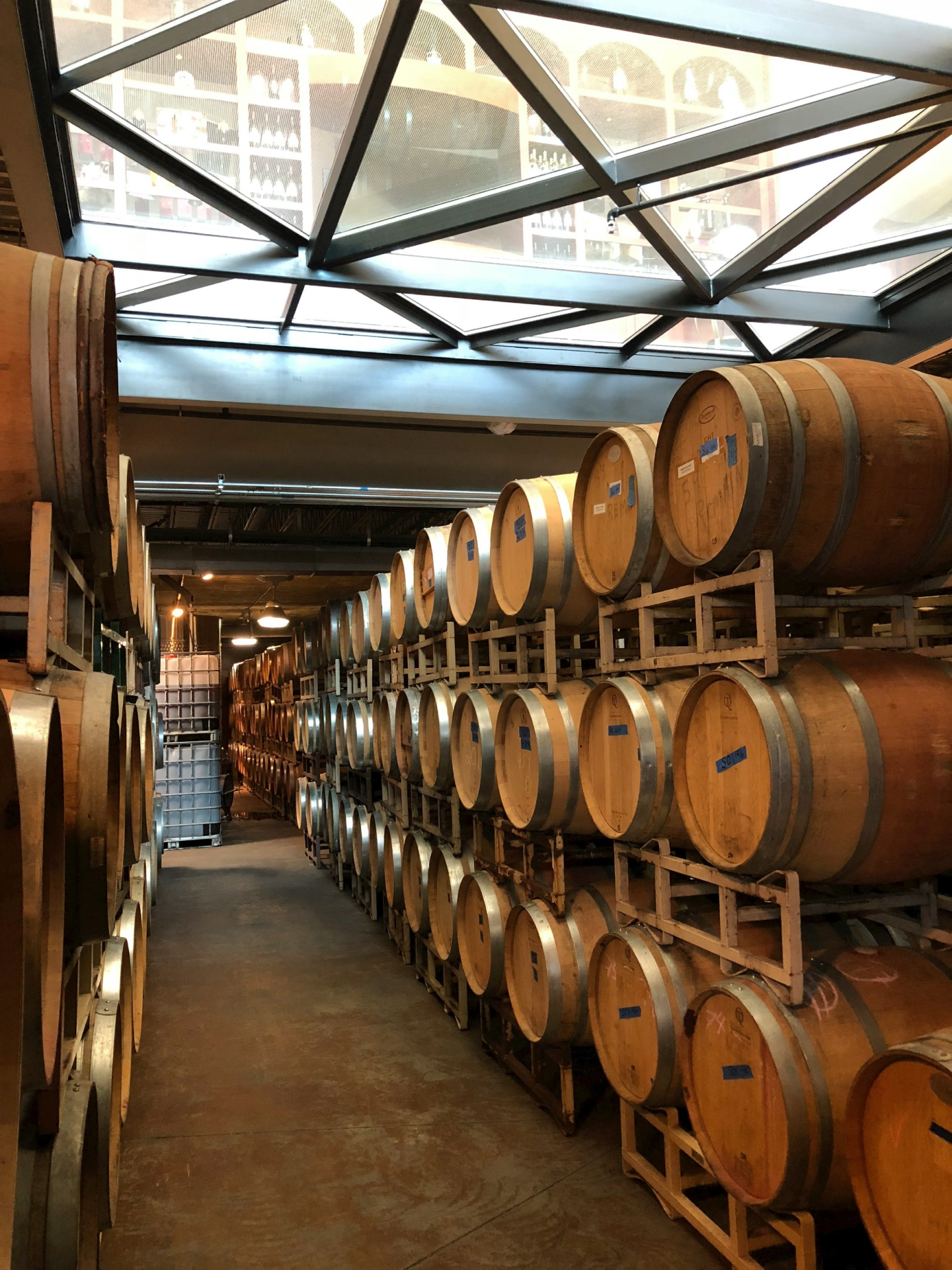
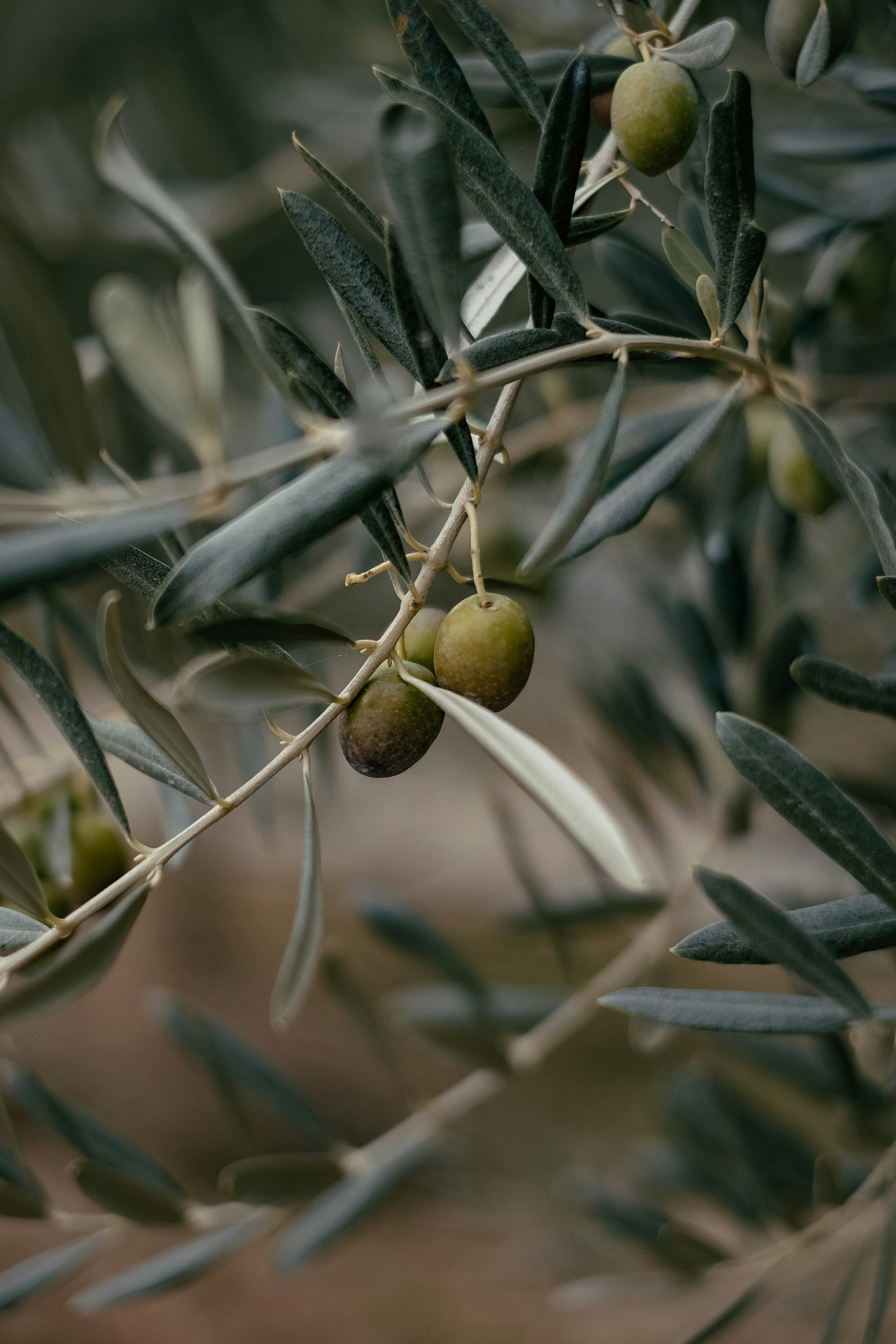
March 5th 2024 – Kode, together with the research team coordinated by Prof. Fabio Mencarelli, of the Department of Agricultural, Food and Agri-Environmental Sciences at the University of Pisa, has finalized a new microsensing system to measure and ensure the quality of our wines and oils.
The VIOLoC research project, involving the University of Tuscia and CNR-Nano Pisa as well, was titled ‘Analysis of wine and oil by means of a remote connectivity (clouding) Laboratory on-Chip (LoC),’ and aimed to develop a microfluidimetric-based Lab on Chip (LoC) for analyzing polyphenols in both wine and oil.
The study
Since the concentration of polyphenols is an index for evaluating the ripeness of grapes or olive juice, the development of a system capable of continuously monitoring polyphenol content is an essential part of precision oenology and heliotechnology based on a quartz crystal microbalance with dissipation monitoring (QCM).
Thanks to this integrated precision system, companies like Sensi (well-known Tuscan wine producer, who actively participated in the project and provided many of the studied samples) will be able to reduce laboratory costs, while ensuring the quality of their wines through precise and consistent analytics.
To realize this system, a structured study was carried out, including sensor calibration and verification of natural and adulterated samples. Thanks to this, a method for measuring total polyphenols in grape must and wine was developed for real-time control of grape ripening, maceration/fermentation and wine evolution. The same technique has also proven useful for monitoring the maturation of olive juice and oil during the extraction process in the field of oleification.
The QCM biosensor is an innovative improvement over the prototype covered in the previous study, of which Kode was already a part, published in August 2023. The new sensor is based on a novel technology that enables real-time monitoring of molecular adhesion in a liquid environment. Its features make it preferred over its predecessor: easy to use, compact and portable, it can be used not only in stand-alone mode, but also integrated into winemaking or milling equipment.

The complete system
In addition to building the device, the VIOLoC project will provide operators with a network connectivity system to remotely process information collected from the device or within the organization (clouding), which will speed up the system and reduce the cost of analysis.
Kode designed and implemented the cloud-computing system, which includes a server that exposes analysis operations and interfaces with client applications (mobile and webapp) for the analysis service and database. Additionally, the system includes two elements for daily use by farmers and winery operators:
- VIOLoC Scanner (An Android application that is used in conjunction with the specially designed tool for collecting analysis data);
- VIOLoC Webapp (the user interface to explore the analysis and visualize information about the collected samples).
Thanks to this system, operators can visualize the data acquired from vineyard and winery analyses in real-time, regardless of location or connection tool. The results are graphically displayed after cloud processing.
By integrating various techniques from Data Science and Machine Learning, users can quickly determine the polyphenol concentration value in grams per liter, providing a clear indication of the product’s quality level.
Marco Calderisi, CEO of Kode, stated, “We are proud to have contributed to the realization of this project, which is significant for the world of quality control in the oenological field.’ This is a complex, user-friendly system that enables wineries to reduce analysis costs by eliminating the need for continuous transfers from wineries to laboratories for sampling. Additionally, oenologists can, at last, access real-time analysis information through a simple smartphone or tablet”.
Prof. Fabio Mencarelli, coordinator of the VIOLoC project and a member of the Department of Agricultural, Food and Agri-Environmental Sciences, adds: “The project’s approach was truly innovative when it was submitted to the FISR 2019 call. The whole team believed that it was time to move away from the traditional method of transporting samples for analysis and instead transmit signals through the cloud, which would provide immediate analytical answers, save time and money, and have less environmental impact. Thanks to the project partners and Kode, we all successfully meet the challenge of analyzing polyphenols”.
