If you would like to explore this topic further with Gabriele, contact us
Artificial Intelligence and Agrifood: Steering Technology Between Real Needs, Data and Responsibility
On October 11th, our CTO, Gabriele Galatolo, took part in the round table at the Internet Festival in Pisa on the theme “Digital Technologies and Ecological Transition”, a deep and multidisciplinary reflection on the digital transition in agriculture.
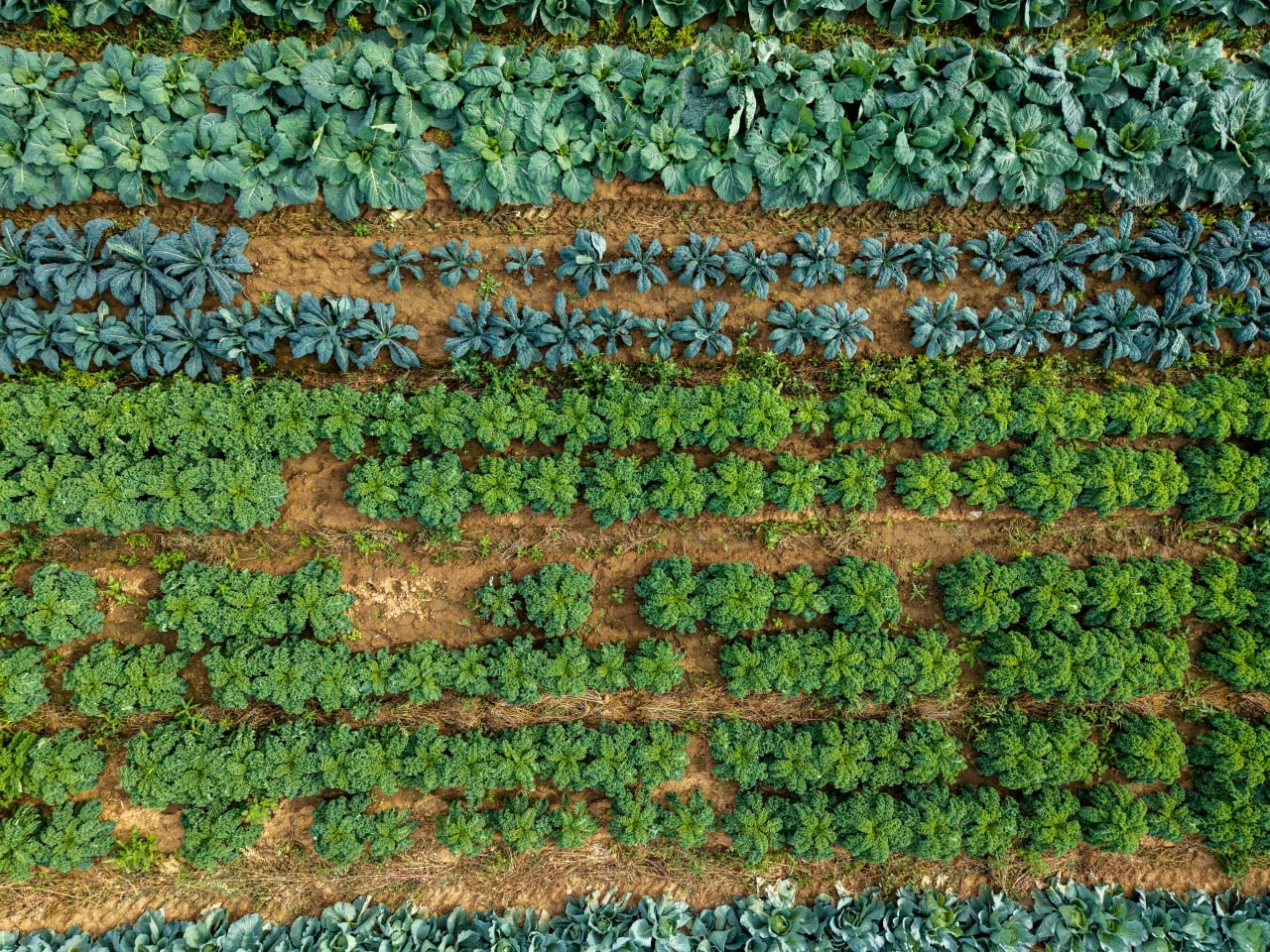
From Data to Knowledge: Dynamics and Risks of Applying AI in Agriculture.
The discussion was opened by Gabriele Galatolo, Data Science and AI expert and CTO of Kode, who reminded the audience that artificial intelligence and data science are first and foremost tools whose effectiveness depends on how they are implemented and used. When approaching the agricultural sector, attention should not be focused solely on indiscriminate data collection, but above all on the final goal and the questions one intends to answer. Those who develop AI do not apply a standardized, top-down approach, but first seek to understand the reference domain, evaluating the opportunities offered by data starting from listening to the real needs of the company and the potential user.
This vision is echoed in the experience of Andrea Carolina Zuniga Sierra of Rurinnova, a PhD candidate in Agricultural, Food and Environmental Law, who, drawing on the study and the communities of practice carried out in Sardinia, confirmed how essential it is to involve and engage stakeholders from the earliest stages of the study, in order to precisely identify concrete needs and co-design possible technological solutions together with those who work on the ground.
Only by understanding the context at its foundation can we deliver solutions that respond to the real needs of operators. This is also confirmed by Luca Cantone, PhD candidate at the University of Pisa and researcher specializing in bias and inclusion, who stressed how the issue of bias in the data used to train AI models is emerging more and more prominently, and how it risks remaining latent even in co-creation processes. In fields such as agriculture, which are rooted in a history oriented toward tradition — where tradition is a value but also risks becoming a logical cage — it is easy to overlook, or struggle to identify, pre-existing prejudices (such as women’s historically lower access to credit or land) that are then replicated by algorithmic automation, determining its success or failure. For this reason, the problem of bias must be addressed from the very beginning of the design process.
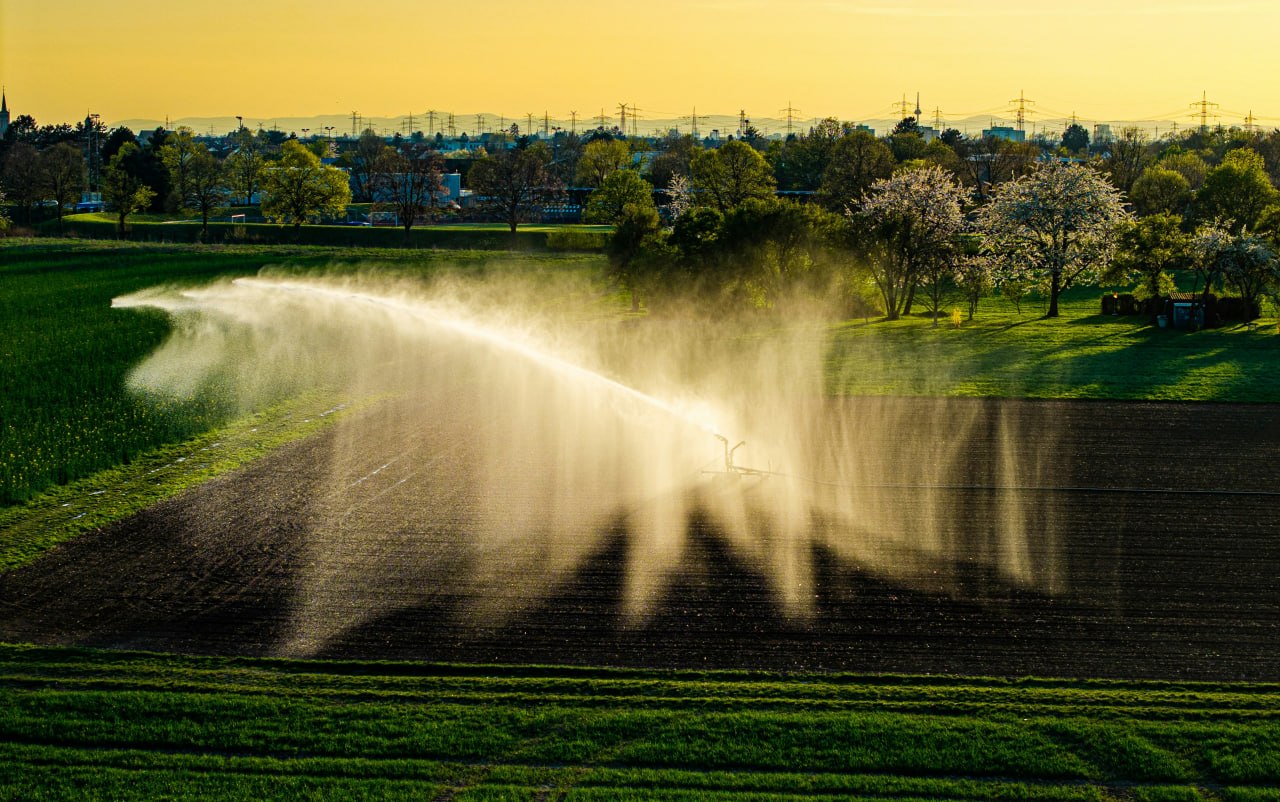
Beyond design aspects, the technology has implications with a direct legal impact on day-to-day operations. As illustrated by Cecilia Rasetto, lawyer and PhD candidate at the University of Pisa in Legal Sciences, in the “Administration, Market and Criminal Justice” Curriculum, in the field of Agri-Food Law, there are situations in which a technology designed to bring an advantage can instead cause real harm to the farm. One example is an intelligent system that, based on readings from drones or humidity sensors, mistakenly recommends not irrigating a vineyard, causing the loss or serious deterioration of the harvest. Faced with such an algorithmic error, complex legal questions arise regarding the attribution of legal responsibility and compensation for damages along the supply chain. This is where specific development and regulatory choices come into play, such as the transparency and traceability required by the European AI Act for high-risk systems.
But the question that emerges in light of these considerations is how to avoid the risk of system errors or skewed responses caused by bias. The issue concerns the development of AI-based solutions from their earliest stages. Only by identifying the risks inherent to the system in question, and their characteristics, can the construction of the solution be approached from the design and model-training phase onward, so that it is able to take them into account and reduce the risk as much as possible.
AI systems are trained like students, and it is the developers who must define their knowledge and boundaries. The most effective and least error-prone solutions are those that are less generalist and more calibrated to the specific context: the more an application uses information and data referring to the specific case, the better the training will be and the greater its ability to provide correct, bias-free answers.
In conclusion
As highlighted by Andrea Saba, researcher and moderator of the event, this approach — put forward by Galatolo — of an AI co-created with potential users and grounded in data specific to the context of application brings attention back to the need to directly involve sector experts, as in the case of the communities of practice tested in rural areas of Sardinia by Rurinnova. In these contexts, the knowledge base is not generic but specialized and strongly tied to the territory, making it possible to rediscover and enhance those peripheral forms of knowledge that represent the true wealth of agriculture.
In this light, Gabriele Galatolo confirms, the value of humans in the process of using technology has proven to be indispensable, but it is changing at an impressive speed. The concept of Human in the Loop, born to ensure the presence of a human operator, has often degenerated into a form of shirking responsibility for well-done technological development, ending up assigning to the person only the legal or formal responsibility in case of machine error (a topic in the legal spotlight, as Cecilia Rasetto clearly pointed out).
The true role of AI should not be to assign humans passive monitoring tasks or formal responsibilities, but rather to free people from mechanical and repetitive tasks, restoring centrality to the qualitative, decision-making and creative dimension of human work.
In conclusion, the meeting at the Internet Festival showed that the future of digital agrifood is not about blind automation, but about an alliance between advanced technology, legal awareness and human experience: a path in which AI becomes a multiplier of on-the-ground skills, without ever replacing the responsibility and vision of the farmer.

