Want to know more about this project?
Drop us a line!
For quality
of wine
and olive oil
In the wine and olive-oil sectors, quality control is a critical factor throughout the entire supply chain: from grape ripening to fermentation and the aging of wine, as well as in olive oil production. With advanced solutions that integrate sensor technology, Data Science, and Chemoinformatics, agriculture becomes a science
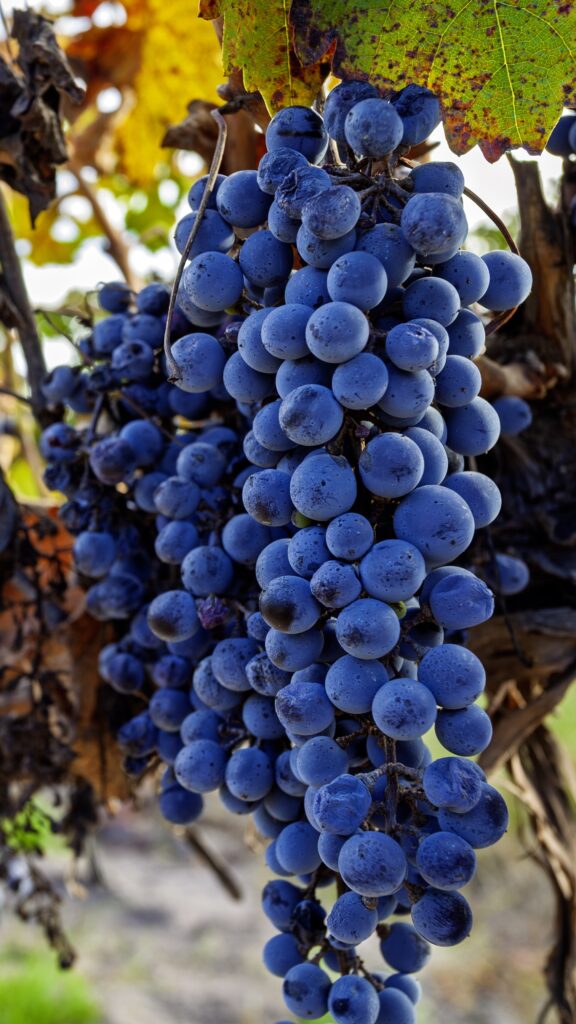
In an Italian context, where the quality of the final product must be consistently guaranteed, traditional analytical techniques are no longer sufficient. Although extremely accurate, they have some limitations:
In particular, key parameters such as total polyphenols and anthocyanins are essential for determining quality, ripeness, and sensory characteristics, but they are difficult to monitor continuously.


The aim of the project was to revolutionize quality control by introducing a solution that is:
The main challenge was to develop a technology capable of maintaining high analytical accuracy while drastically reducing complexity and operating costs. The project led to the development of VIOLoC, a platform based on advanced microsensor technology, integrated into a cloud computing system that enables real-time analysis, even directly in the vineyard or olive grove.
A miniaturized device based on surface acoustic waves (SAW) capable of detecting molecular changes in liquid samples.
Main features:
An advanced prototype, Liquisens, was also developed, capable of operating effectively in liquid environments thanks to shear-horizontal waves (SH-SAW).
A key element of the project was the study of a large set of samples for the sensor’s initial calibration. The samples under study included musts, wines, and olive matrices at different stages of ripeness and phenolic content.
The samples were:
At the same time, the samples were characterized using reference techniques, including OIV methods, HPLC, and FT-IR spectroscopy, to obtain reliable quantitative values.
The data obtained from the chemical analyses were used to build calibration curves and correlate the sensor signal with the actual chemical parameters. This process made it possible to develop and train advanced statistical models for interpreting the measurements acquired by the device.
The quality and variety of the dataset were decisive in ensuring the solution’s accuracy, reliability, and transferability, making it effective even in real operational settings.
A compact, portable electronic analysis device that:
This approach removes the need for a laboratory for many routine analyses.
Developed by Kode Solutions, the platform enables:
The collected data are then analyzed using multivariate models (e.g. PCA, regressions) and compared with reference databases to turn them into quantitative indicators (e.g. polyphenol concentration).
The project involved collaboration between research institutions and companies:
Wine companies were also involved, including Sensi Vigne e Vini, for sample supply and validation under real conditions.

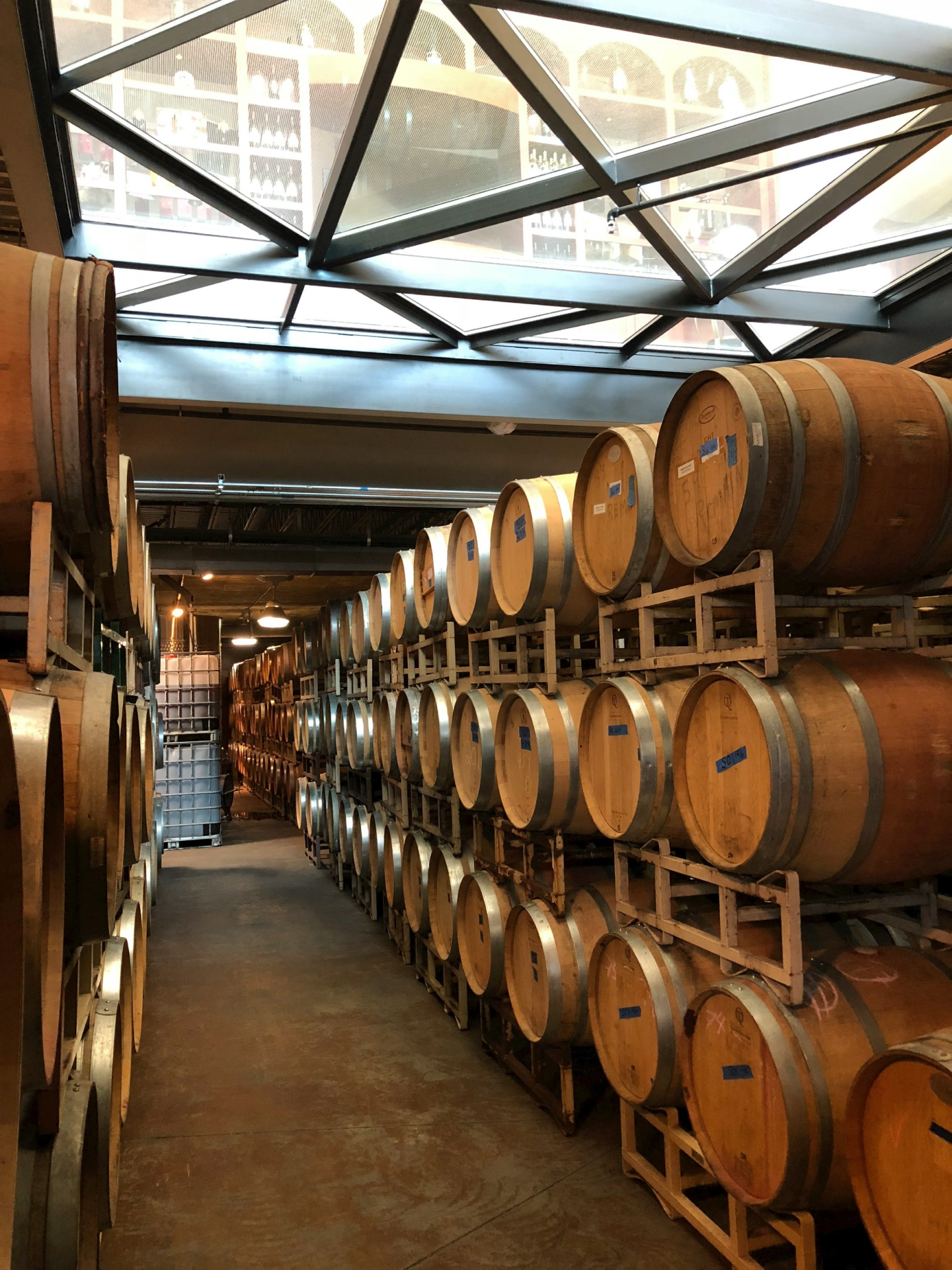
The solution introduces a paradigm shift in sector analytics, with real-time analysis carried out directly in the vineyard, winery, or olive mill, without intermediate steps. During the project, significant results were achieved:
Adopting the platform enables companies to:
Looking ahead, solutions of this kind pave the way for precision agriculture and precision enology, based on continuous data and advanced analytics.
The VIOLoC project shows how the integration of advanced sensing, data analytics, and cloud computing can radically transform quality control in the agri-food sector.
Want to know more about this project?
Drop us a line!

