AI, GIS and computer vision: how to make the entire supply chain truly smart
Advanced digitalization to improve efficiency, traceability, and decision‑making across the entire logistics chain
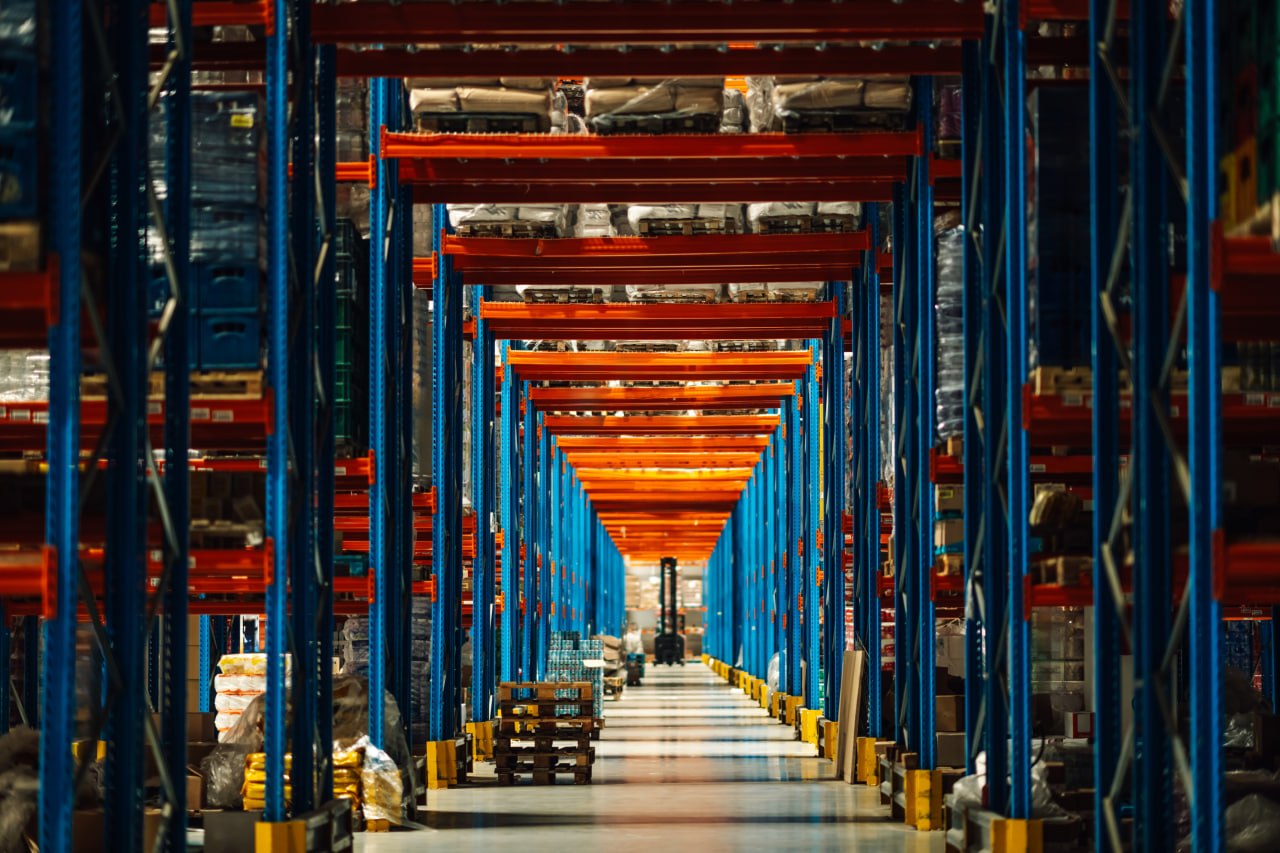
For a long time, manufacturing companies have focused almost exclusively on production: line efficiency, product quality, and scrap reduction. Today, however, this is no longer enough.
Competitiveness is increasingly determined along the entire supply chain. Delivery lead times, warehouse management, transport optimization, and the ability to adapt quickly to demand are the factors that define margins, service levels, and ultimately, customer satisfaction.
In a context characterized by demand volatility, pressure on logistics costs, and growing operational complexity, the supply chain is no longer a simple “support system,” but one of the main drivers of business performance.
And it is precisely here that technologies such as computer vision, Geographic Intelligence (GIS), and Artificial Intelligence come into play.
Seeing to understand, understanding to optimize
One of the most interesting aspects of this evolution is that many companies already have part of the necessary infrastructure in place: cameras in warehouses, along production lines, or in loading/unloading areas. What is often missing is the ability to turn these images into usable data.
Computer vision exactly bridges this gap. It does not simply “see,” but interprets what is happening: it recognizes objects, estimates their dimensions and position, and detects anomalies. In other words, it transforms a continuous visual stream into structured information.
From warehouse to transport: continuous optimization
If we look at the supply chain as a whole, many inefficiencies arise from small errors spread along the process. Computer vision steps in precisely here, automating critical activities and turning them into reliable data ready to support more effective decisions.
Some concrete examples of applications:
- Automatic parcel recognition and counting: identifying boxes, pallets, or individual units in real time, even on high‑speed lines, reducing manual errors and improving inventory accuracy
- Packaging quality inspection: detecting dents, missing labels, printing errors, or sealing issues before storage or shipment.
- Warehouse space optimization: analyzing parcel volumes and geometries to improve pallet and shelf placement, enabling more efficient storage strategies.
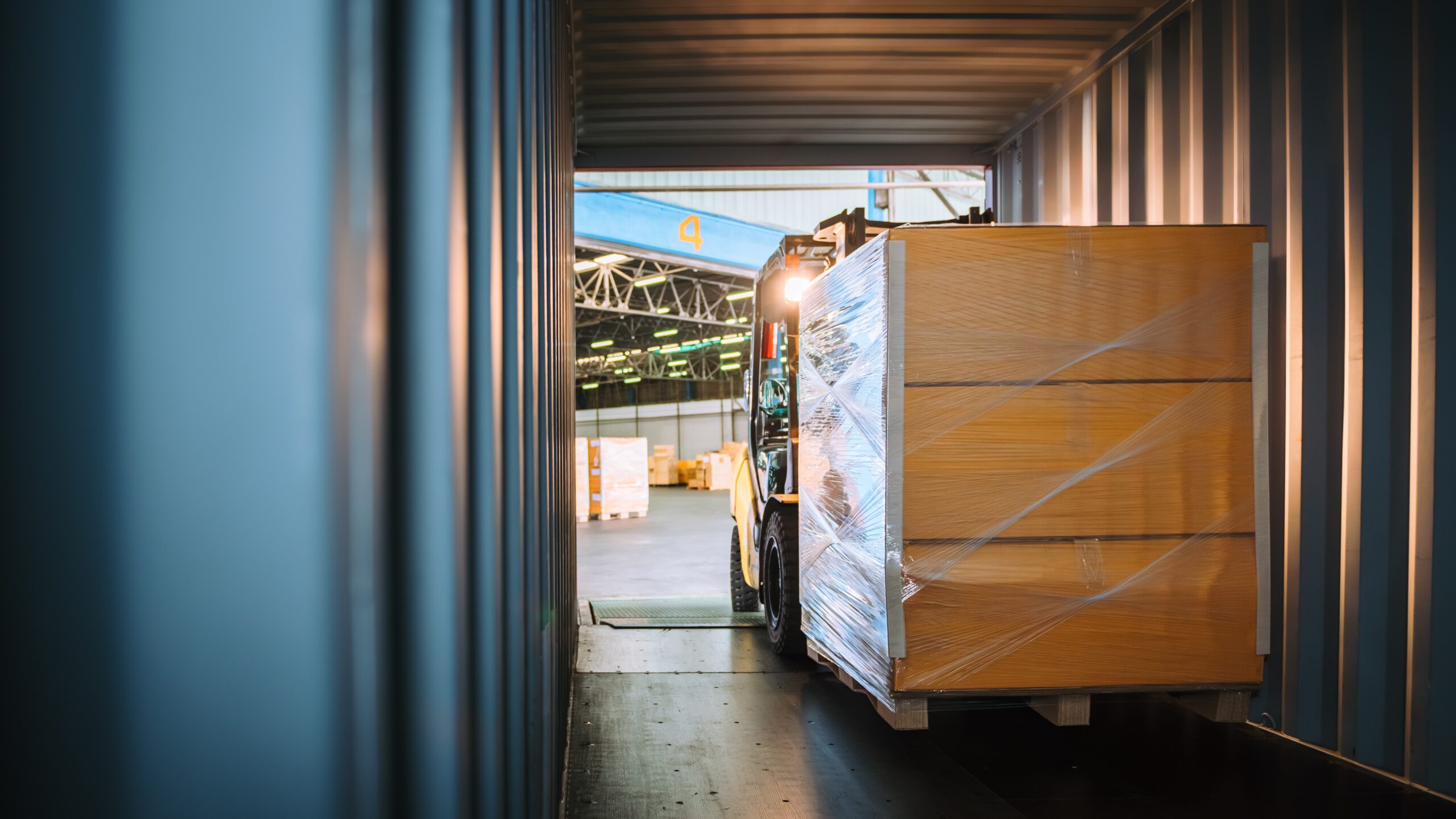
- Loading of transport vehicles: organizing the arrangement of parcels inside vehicles more efficiently, reducing empty spaces and increasing the loading factor.
- Operational decision support: integrating visual data with management systems and predictive models for load allocation, route planning, and dynamic fleet management.
Thanks to these tools, the company not only reduces errors and costs, but also builds a solid data foundation to optimize every stage of the supply chain, from warehouse to delivery.
The real value: integrating visual data and geospatial data
The key step, however, lies not so much in automating individual activities, but in their integration.
When data extracted through computer vision is combined with geospatial information and predictive models, the supply chain ceases to be a sequence of isolated operations and becomes a coordinated system.
This means being able to make better decisions on:
- load allocation
- route planning
- priority management
- resource allocation
And above all, it means being able to make those decisions in advance, not just react.
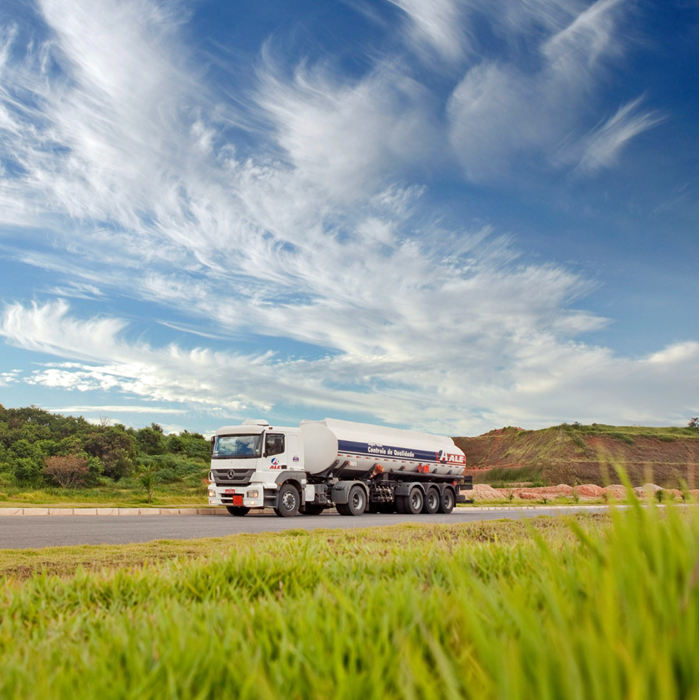
The integration between AI and GIS therefore enables a shift from static management to adaptive management, capable of responding in near real time to changes in demand, delays, or operational disruptions.
A transformation that is, first of all, cultural
Adopting these technologies does not simply mean introducing new tools, but changing the way decisions are made.
It means shifting:
- from incomplete data to continuous data
- from sample‑based checks to systematic monitoring
- from individual experience to decisions supported by models
In this sense, computer vision is not just an operational support tool, but an enabler of a truly data‑driven supply chain.
Looking ahead: a smarter and more resilient supply chain
The direction is clear: supply chains are becoming increasingly intelligent, interconnected, and predictive.
In this scenario, the ability to “see” what is happening—and to turn it into fast and effective decisions—represents a concrete competitive advantage.
It is no longer just a matter of internal efficiency, but of the ability to respond to the market, ensure high service levels, and keep increasingly critical costs under control.
👉The future of the supply chain lies in the eyes of machines, but above all in the ability to integrate what they see into a broader decision‑making system.
