Want to know more about this project?
Drop us a line!
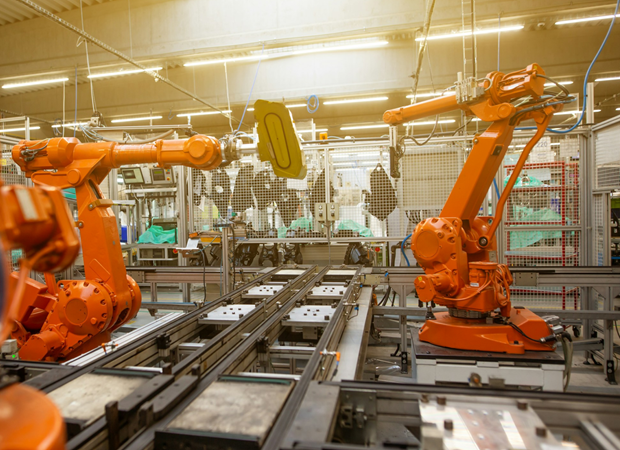
Digital transformation is revolutionizing the entire manufacturing sector, enabling improvements in efficiency, quality, and sustainability in line with the goals of Smart Manufacturing. The textile industry, in particular, is increasingly under scrutiny for its environmental impact, driven by water consumption, emissions, and waste production. However, investing in sustainable materials and the circular economy is not enough: for a true change, it is essential to optimize existing production processes and reduce waste.
FactorAI, Kode’s framework for Industry 5.0, enables real-time monitoring of the production cycle, ensuring both product quality and the reduction of costs, emissions, and waste.
In this case study, we analyze a project developed with FactorAI for a nonwoven fabric manufacturer, aimed at optimizing the production process in terms of cost and efficiency. Although the example pertains to the textile sector, the same challenges and opportunities apply to the entire manufacturing industry, demonstrating the value of Smart Manufacturing as a key to industrial sustainability.

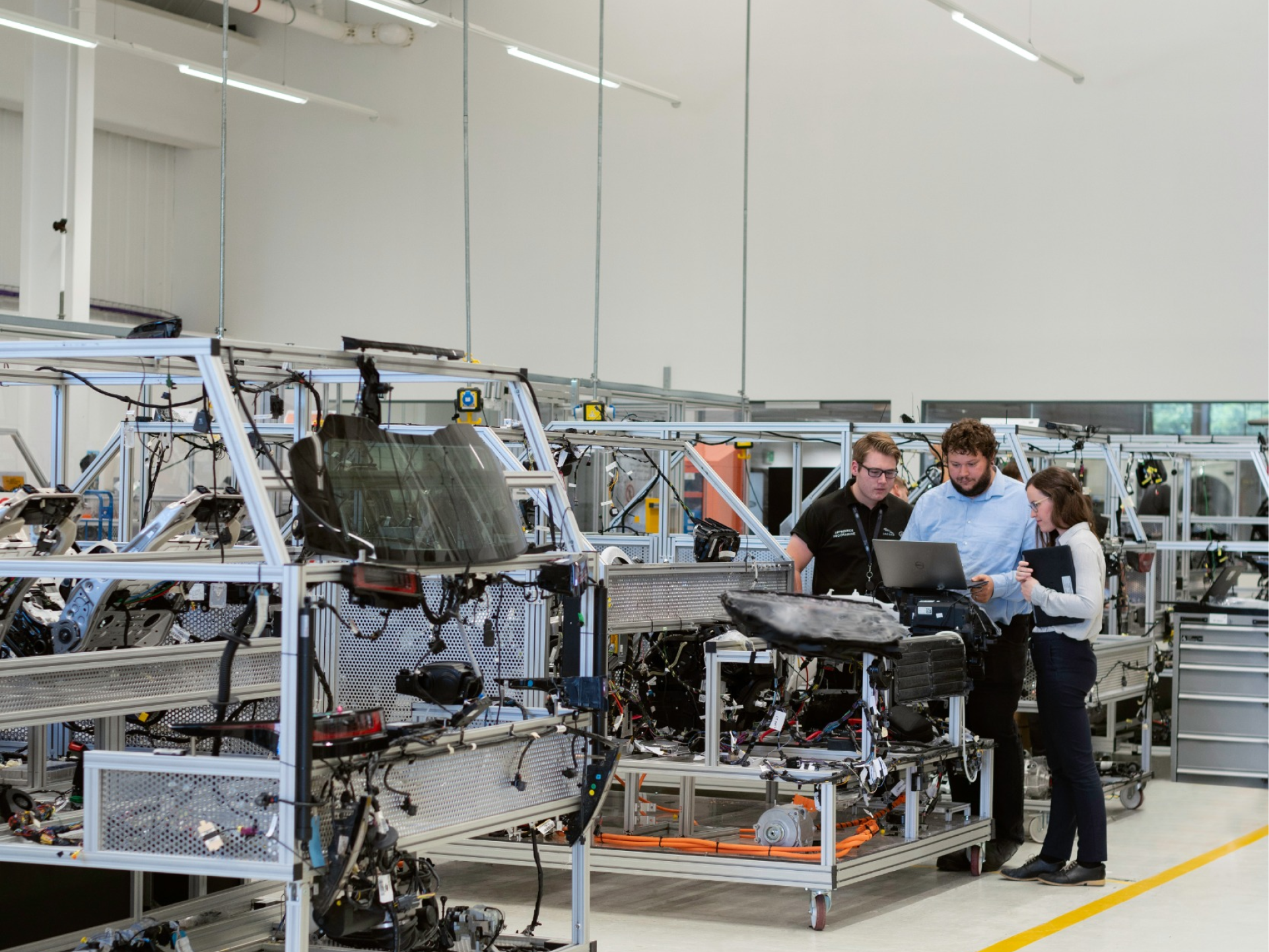
Like many of our clients, mid-sized manufacturing companies, this textile manufacturer already had machines equipped with sensors and connected to a centralized data collection system. However, the digitalization was only partial:
The system lacked in-depth key indicators that would allow for quick reading of progress data, nor did it have systems to identify corrective actions needed to make processes sustainable. It was necessary to identify the causes and remedies to reduce machine downtime, energy costs, and raw material consumption, while ensuring the quality of the final product.
To address these challenges, a structured approach is needed to transform simple data monitoring into an active tool for production process optimization. Thanks to FactorAI, the company can integrate, analyze, and leverage data to take real-time action and enhance operational sustainability.
The first step is to harmonize and centralize the company data in FactorAI. Since many connectors are typically already available, we can focus efforts on creating a specific acquisition system for data that are not yet integrated, such as Excel files and local databases.
After integration, the next step is to normalize the information, eliminate redundancies, and structure the data for effective analysis. This enables the standardization of data from machines and different company systems, facilitating the generation of clear and automated reports.
The analysis focused on four key areas for sustainability:
These KPIs were essential for the continuous improvement of corporate sustainability.
Data collection, without effective analysis, has limited utility. For this reason, it is essential to develop an advanced dashboard that, through graphs, scatter plots, and control charts, enables:
The adoption of this technology makes it possible to:
A central element of this phase is the Root-Cause Analysis, which helped identify the true origins of inefficiencies. This method enabled the company’s team to shift from a reactive to a proactive approach, implementing targeted solutions based on concrete data.
To ensure timely interventions and prevent inefficiencies, we developed Artificial Intelligence models focused on two key aspects:
These algorithms, based on machine learning, are trained on the company’s historical data to identify recurring patterns and predict potential issues before they occur. This allows operators to intervene proactively, optimizing resource use and ensuring a more efficient and sustainable production process.
Thanks to the implementation of FactorAI, the results are significant:
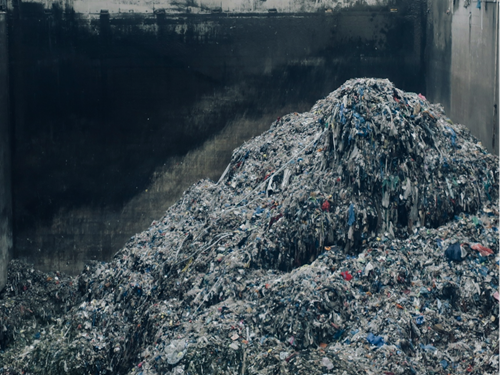
In the textile sector, FactorAI can bring significant added value, with limited integration time and costs, regardless of the variety and complexity of data sources.
Another key differentiator is the custom indicators built based on the company’s specific requirements. By moving away from standardized reports that add little to the precise data, these indicators have enabled top management, along with the operational insights generated by predictive models, to pursue the goal of greater corporate sustainability effectively.
Want to know more about this project?
Drop us a line!

