Want to know more about this project?
Drop us a line!
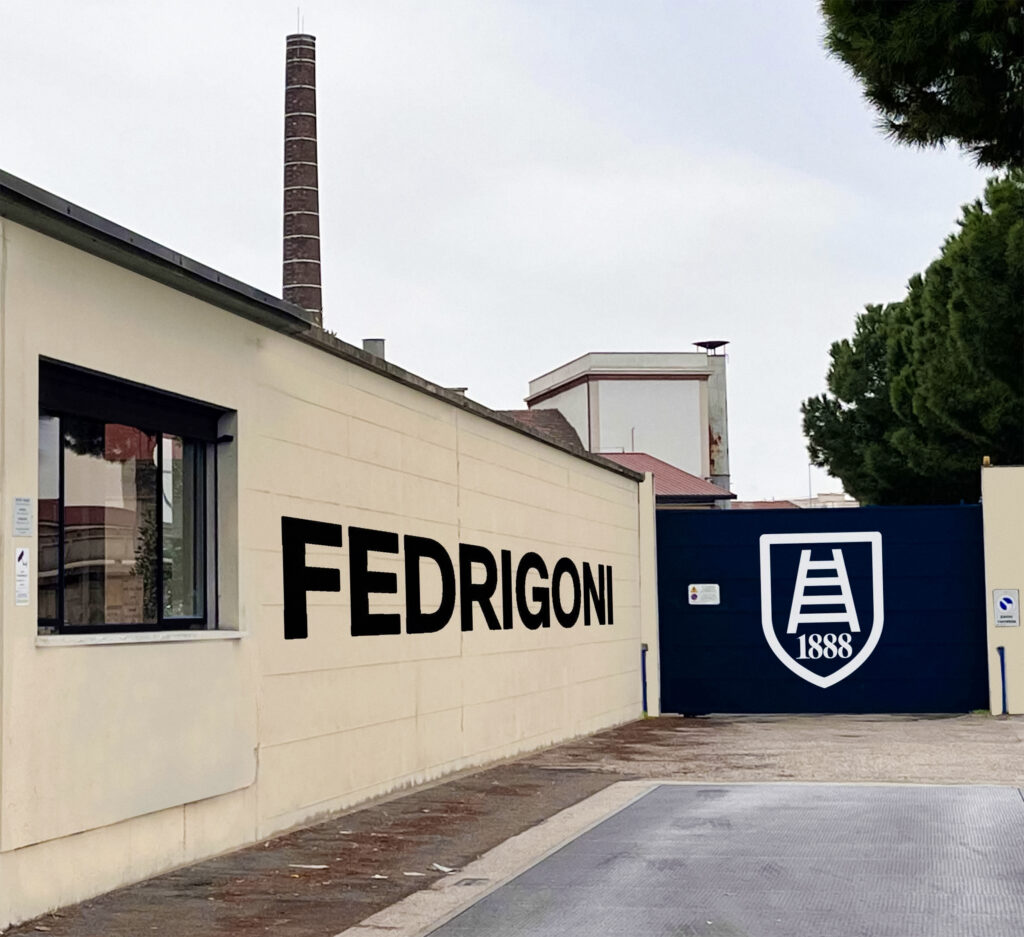
Fedrigoni is one of the world’s largest manufacturers of special papers for luxury packaging and other creative solutions, alongside premium labels and self-adhesive materials. With over 70 production plants, slitting and distribution centres, Fedrigoni Group collects a wide amount of data and information of different types.
Turning these huge masses of raw, unstructured data into clear, lean information, is fundamental to creating useful knowledge and making informed decisions for a strategic management of the organisation.
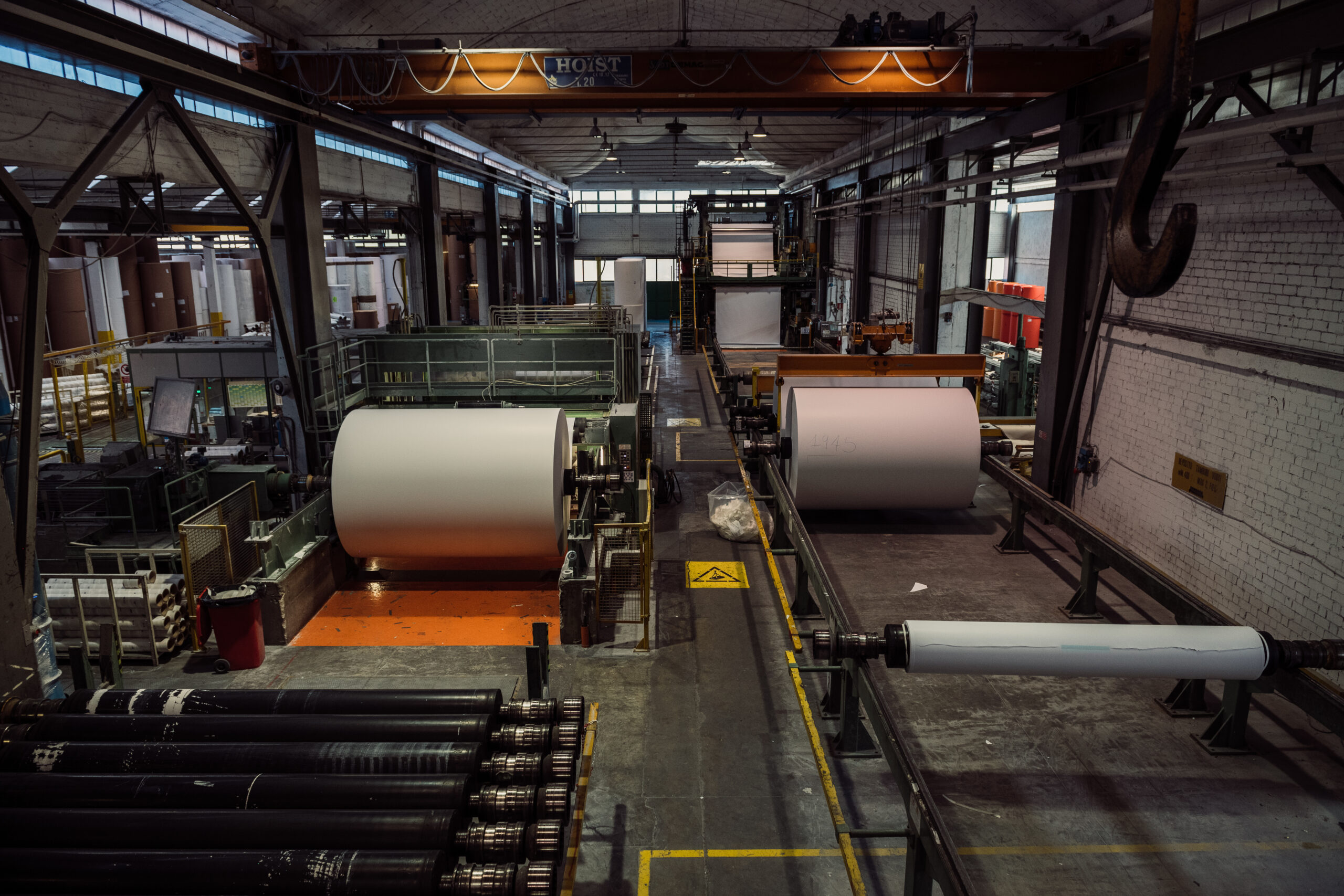
Fedrigoni produces many different types of special paper products: some of their plants are focused on a few of them, while others often vary production. This aspect hugely impacts their productivity.
Besides, each plant’s machinery adopts a different system for data collection. Nevertheless, Fedrigoni needs to be able to analyse plants’ performance, and increase and simplify its control on production, by:
For this project, 13 machines (10 of which are for continuous production), distributed in 7 plants throughout Italy have been involved.
Each plant exposes from 3.000 to 5.000 signals; a subset of these tags per each plant has been verified, historicised, analysed and normalised to create a common labelling and collection system.
As a matter of fact, each machine has its control system, but none of them clearly expose the relation between its indicators and the machine signals, which hinders any control and objective comparison with any other machine’s indicator, as well as any root-cause analysis. Tags, on the other hand, are punctual and, once understood, by comparing to the data extracted by the integrated machine control system, and normalised (cleaning data, managing different scales or different signals’ frequency), allowing to extract uniform data and calculate trustable indicators.
The machinery data were then integrated by the possibility for the plant operators to manually add production information (such as the type of production, the grammage of paper, and the reason for each production stop…), that is necessary for any in-depth ex-post analysis.
Thanks to this elaboration, we could identify and translate each tag meaning related to the production process and create a common ontology to elaborate a general vision of all involved plants in one unique platform.
The key focus for Fedrigoni was to extract OEE key indicators: time efficiency, material efficiency, and speed efficiency.
In addition to specific algorithms developed per machinery (to obtain comparable indicators starting from different types of tags), the statistical process control module was integrated by a custom algorithm allowing to distinguish in the production signals’ time series the end of production data from the tags related to the new paper reel.
This attribution was key to generating the analysis per type of product as well as per type of production (and not only per time stamp), enabling the analysis of production fluctuations.
Hence performance control in Fedrigoni became the key to process optimisation.
The monitoring system supported the identification of key aspects to optimise with:
Fedrigoni’s vision of its digitisation process for the whole group is the key for guaranteeing the quality and efficiency that put the group in its leading position in the high-quality paper field.
*average OEE level among all the integrated plants at the beginning of the project: 90%
Want to know more about this project?
Drop us a line!

